


Disputes over trusts and estates can be among the most emotionally and financially draining legal battles a family will ever face. Whether you are a beneficiary who suspects mismanagement, a trustee defending your administration decisions, or an heir contesting the validity of a will, the stakes are high and the legal terrain is complex.
A trust litigation attorney, also called a trust litigation lawyer, estate litigation attorney, or estate dispute lawyer, is the professional you turn to when those disputes cannot be resolved without going to court.
This article explains what trust and estate litigation involves, when you likely need a trust litigator, and what to look for in an estate litigation law firm.

Trust and estate litigation refers to court proceedings that arise out of disputes connected to trusts, wills, and the administration of estates. While most estate plans are carried out without serious conflict, disagreements do arise, over how assets are distributed, whether a document was properly executed, or whether a fiduciary fulfilled their legal duties.
Estate litigation can involve probate court proceedings, civil lawsuits, and in some cases, injunctive relief to freeze assets or remove a fiduciary. Trust litigation attorneys handle the full range of these disputes, from pre-litigation negotiation through trial.

Not every estate dispute rises to the level of litigation, but many do. The following situations frequently bring clients to an estate litigation attorney:
A will or trust contest challenges the validity of the document itself. Grounds may include:
These cases often require medical records, witness testimony, and expert analysis. A trust dispute attorney with litigation experience knows how to build and defend these arguments.
Trustees have a legal obligation to manage trust assets prudently, in the interests of beneficiaries, and in accordance with the trust document. When trustees fail to meet those obligations, beneficiaries have the right to seek legal remedies.
Examples of trustee conduct that may give rise to trust and estate litigation include:
A trust litigation attorney can file a petition to compel an accounting, seek a surcharge against the trustee, or pursue removal of the trustee through the court.
Disagreements among beneficiaries, about the interpretation of trust language, the valuation of assets, or whether a distribution was made fairly, can escalate into estate litigation. Sometimes the dispute is between a current income beneficiary and a remainder beneficiary whose interests are in direct tension.
A significant share of trust litigation stems from suspected financial abuse of older adults. This can take the form of a caregiver or family member pressuring a vulnerable person to change beneficiary designations, add them to accounts, or modify a trust. Estate litigation attorneys often work alongside elder law counsel in these matters.
Creditors of a deceased person may file claims against an estate, and the executor or trustee may need to challenge those claims or defend the estate against an estate lawsuit. Beneficiaries may also dispute whether certain debts should be paid before distributions are made.
Trust litigators perform many of the same tasks as other civil litigators, but with specialized knowledge of trust law, probate procedure, and fiduciary duties. A trust litigation attorney may:

Estate litigation lawyers also frequently work with financial advisors, accountants, and estate planning counsel to understand the economic stakes of a dispute and advise on strategy accordingly.
Estate planning litigation is distinct from the work of an estate planning attorney. Estate planning focuses on creating documents, wills, trusts, powers of attorney, beneficiary designations, designed to carry out a person's wishes after death or incapacity. Estate planning litigation, on the other hand, is what happens when those documents are challenged, when the people responsible for carrying out those plans fail in their duties, or when disputes arise among the people who were supposed to benefit.
Some law firms handle both. When a trust or estate dispute arises, it can be helpful to work with a firm that understands both sides, the planning that was done and how disputes about it are typically resolved in court.
Not every law firm handles trust and estate litigation. This is a specialized field that requires knowledge of both probate law and civil procedure. When evaluating an estate litigation law firm, consider:
Ask whether the attorneys have handled trust contest cases, trustee removal proceedings, breach of fiduciary duty claims, and beneficiary disputes. General litigation experience is valuable, but familiarity with probate courts and trust law makes a meaningful difference.
Many trust disputes can be resolved through negotiation, mediation, or a trust modification proceeding without going to trial. A good trust dispute attorney will advise you on all available options and help you weigh the costs and benefits of each path before committing to litigation.
Trust litigation can be expensive and time-consuming. A lawyer for estate disputes should be candid with you about the strength of your case, the realistic range of outcomes, and the likely cost and duration of litigation. You deserve honest advice, not just encouragement.
Trust and estate matters are typically handled in the probate division of the district court in the county where the trust is administered or the decedent was domiciled. Local experience matters, attorneys who regularly appear in those courts understand the judges, the local rules, and how similar disputes have been resolved.

It depends on the complexity of the dispute, the number of parties involved, and whether the case settles or goes to trial. Some trust disputes are resolved in a matter of months through mediation or a negotiated settlement. Others, particularly will contests or trustee removal proceedings involving significant assets, can take a year or more. Your attorney should give you a realistic timeline based on the specifics of your matter.
Fees vary based on the complexity of the dispute, the Firm, and the billing arrangement. Some estate dispute lawyers handle certain matters on a contingency or hybrid fee basis, particularly where the dispute involves clear misconduct and significant assets. Others bill on an hourly basis. It is important to discuss fee arrangements at the outset and to understand what a realistic total cost might look like.
In some circumstances, yes. If you are a trustee defending an action in good faith or a beneficiary pursuing a claim that benefits the trust as a whole, the trust may be able to pay attorney's fees. This is a fact-specific question that depends on the terms of the trust, Nevada law, and the nature of the dispute. Your attorney can advise you on this issue early in the process.
Statutes of limitations and notice deadlines in trust and estate matters can be short and are often strictly enforced. Missing a deadline can permanently bar your claim. If you believe you have a dispute involving a trust or estate, you should consult a trust litigation lawyer as soon as possible, not after you have tried to resolve it informally for several months.
No. Many trust and estate disputes are resolved through mediation, negotiated settlements, or stipulated court orders without ever going to trial. However, some cases, particularly those involving large amounts of money, contested capacity issues, or alleged fraud, do proceed to trial. Having a trust litigation attorney who is genuinely prepared to try a case often improves the chances of reaching a fair settlement.
Hutchison & Steffen represents clients throughout Southern Nevada in trust and estate litigation, including trust contests, trustee misconduct claims, beneficiary disputes, and creditor matters. Whether you are a beneficiary concerned about how a trust is being administered, a trustee facing claims of breach of fiduciary duty, or a family member questioning the validity of a will or trust document, our estate litigation attorneys can evaluate your situation and advise you on the options available.
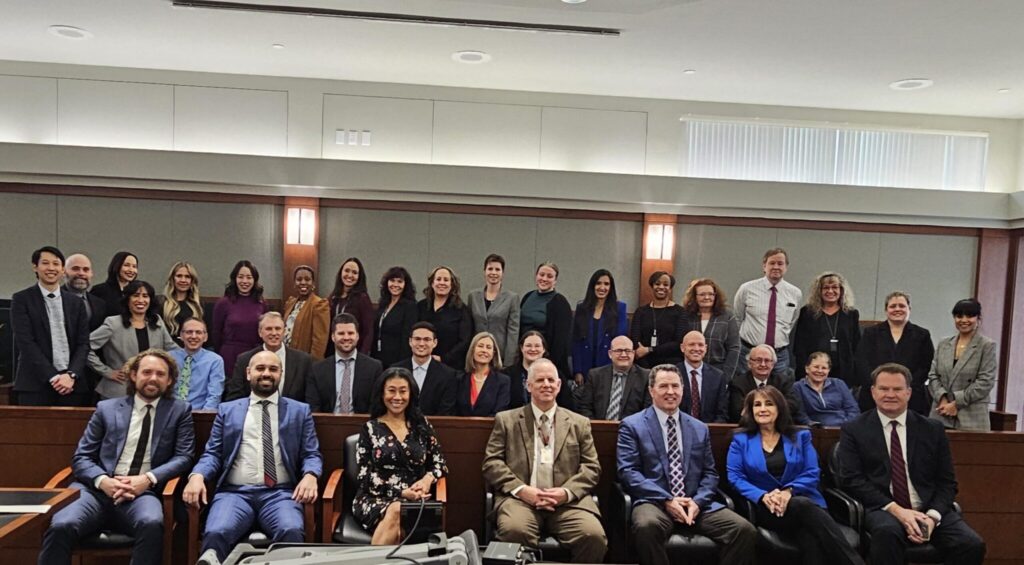
We understand that these disputes arise in the middle of grief, family conflict, and financial uncertainty. Our goal is to give you clear, practical guidance, not to extend litigation unnecessarily or to give you false confidence about outcomes. We will tell you what we honestly believe your case is worth, what it is likely to cost, and what paths are most likely to produce a good result for you.
If you are facing a trust or estate dispute in Nevada, contact Hutchison & Steffen to schedule a consultation with one of our trust litigation attorneys.
This post is for general informational purposes and does not constitute legal advice. If you have questions about trust or estate disputes affecting you or your family, consult counsel about your specific circumstances.