

Navigating the complexities of agency decisions can be daunting, especially when you believe a decision is unjust. Understanding how to effectively appeal an agency decision in Nevada is crucial for individuals seeking to protect their rights and interests. This comprehensive guide will walk you through the Nevada Administrative Appeal Process, detailing the steps involved, the types of decisions that can be appealed, and the critical deadlines you must meet. By the end of this article, you will have a clear understanding of the appeal process, the necessary documentation, and how legal consultation can enhance your chances of a successful appeal.
The Nevada Administrative Appeal Process is a legal framework that allows individuals to challenge decisions made by state agencies. This process is essential because it provides a mechanism for accountability and ensures that agency decisions are fair and just. Understanding this process is vital, as failing to appeal a decision can result in the loss of rights or benefits.
Indeed, the administrative appeal serves as a critical out-of-court mechanism for individuals to protect their rights against public authority decisions.
“In administrative law, there are two major ways of contesting allegedly unlawful decisions/acts: the administrative appeal and the judicial review (court action). While the administrative appeal is an attempt to solve the dispute at administrative level, the judicial review is an adversarial proceeding by which an individual transfers the conflict with a public authority to the (administrative) courts. In principle, the administrative appeal and the judicial review are independent, and the rules for their exercise normally do not interfere with one another. One of the forms of legal protection of a person in relations with public administration authorities is the institution of administrative appeal, the purpose of which is to fully and timely prevent and eliminate any violations of law and discipline in the activities of public authority. It ensures the active and proactive participation of citizens in the protection of their rights in administrative manner.”
Administrative Appeal as an out-of-Court Procedure for the Protection of the Rights of Individuals and Legal Entities, I Yuriichuk, 2019
Nevada administrative law governs the actions of state agencies, ensuring they operate within the law and adhere to established procedures. This legal framework provides guidelines for how agencies make decisions, including the requirement for transparency and fairness. For example, if an agency denies a permit or license, the affected individual has the right to appeal based on procedural errors or substantive issues in the decision-making process.
In Nevada, various agency decisions can be appealed, including those related to licensing, permits, and regulatory compliance. Common examples include decisions made by the Nevada Department of Employment, Training and Rehabilitation regarding unemployment benefits, regulatory decisions involving professional licenses overseen by the Nevada Department of Business and Industry or professional licensing boards, and determinations by local zoning boards concerning property use. Understanding which decisions are appealable is crucial for individuals seeking to challenge an agency's ruling.
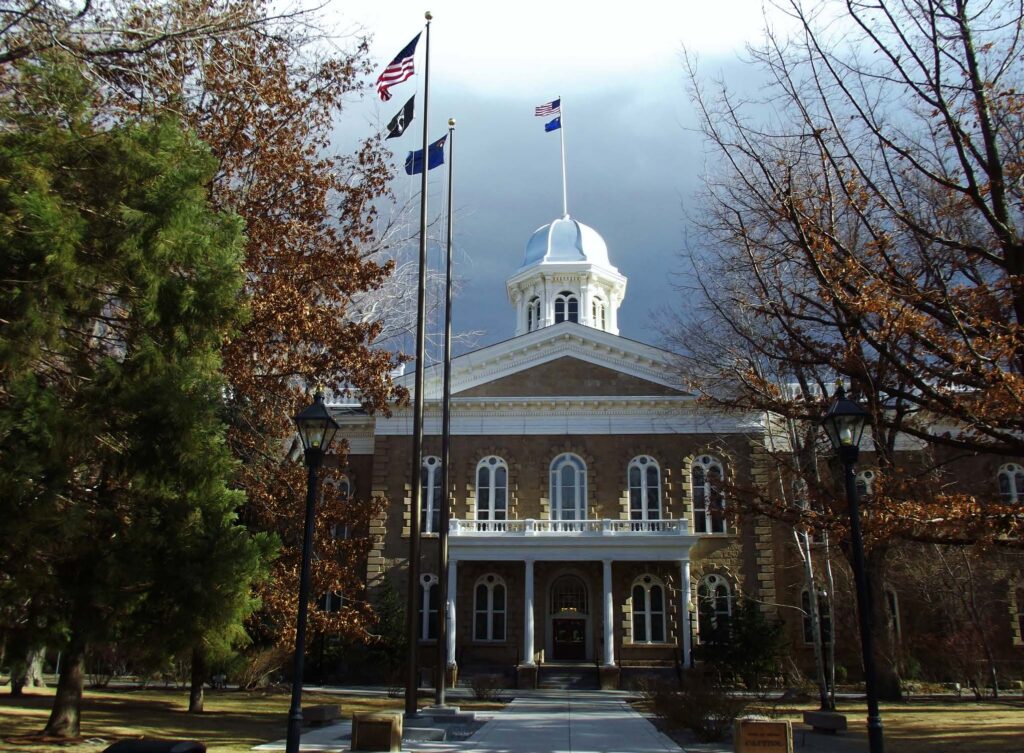
Historically, a range of specific state bodies have been identified as administrative agencies whose decisions are subject to appeal in Nevada.
The review of such agency decisions, particularly those involving land use matters, can extend to Nevada's appellate courts.
“The court shall not substitute its judgment for that of the agency as to the weight of evidence on a question of fact.”
Nevada Revised Statutes (NRS) 233B.135
In Nevada, challenging an agency decision is often handled through a petition for judicial review rather than a standard appeal from a lower court order. In general, a party who is aggrieved by a final decision in a contested case may seek judicial review, and if the agency has its own internal appeal process, the decision at the highest agency level is usually the one that can be reviewed by the court. The petition is typically filed in district court, and strict deadlines apply.
Each agency in Nevada has specific deadlines for filing appeals, typically ranging from approximately 10 to 30 days from the date of the decision depending on the agency and type of determination. For example, certain administrative appeals and petitions for judicial review must be filed within 30 days under Nevada law. It is crucial to adhere to these deadlines, as failing to do so may result in the dismissal of your appeal. Additionally, ensure that you meet all filing requirements, including the format of your appeal and any necessary fees.
Understanding the hearing procedures during an appeal is essential for effectively presenting your case.
Administrative hearings in Nevada are typically less formal than court proceedings but still follow specific rules and procedures. During the hearing, both parties present their evidence and arguments before a hearing officer or administrative law judge, who will make a determination based on the facts presented. It is important to be prepared, as the outcome of the hearing can significantly impact your case.
While individuals have the right to represent themselves in administrative hearings, hiring legal counsel can provide significant advantages. An experienced attorney can help navigate the complexities of the appeal process, ensure that all procedural requirements are met, and present a compelling case on your behalf. For those unfamiliar with legal procedures, seeking professional assistance is often advisable.
Understanding the common pitfalls that lead to appeal denials can help you prepare a stronger case.
To ensure a successful appeal, it is essential to provide comprehensive documentation and evidence. This may include:
• Original Application: A copy of the application that was denied.
• Supporting Evidence: Any documents that support your claims, such as expert opinions or additional data.
• Correspondence: All communication with the agency regarding the decision.
Proper legal preparation can significantly enhance the likelihood of a successful appeal. Engaging in thorough research, understanding the legal standards applicable to your case, and preparing a well-structured argument can make a substantial difference. Legal consultation can provide insights into the strengths and weaknesses of your case, allowing you to address potential issues proactively.
For those seeking assistance, Hutchison & Steffen specializes in providing legal consultation for individuals navigating the appeal process. Our attorneys’ expertise can help ensure that your appeal is well-prepared and presented effectively.
Estate planning and probate matters often intersect with agency decisions, particularly when it comes to the administration of estates and the distribution of assets.