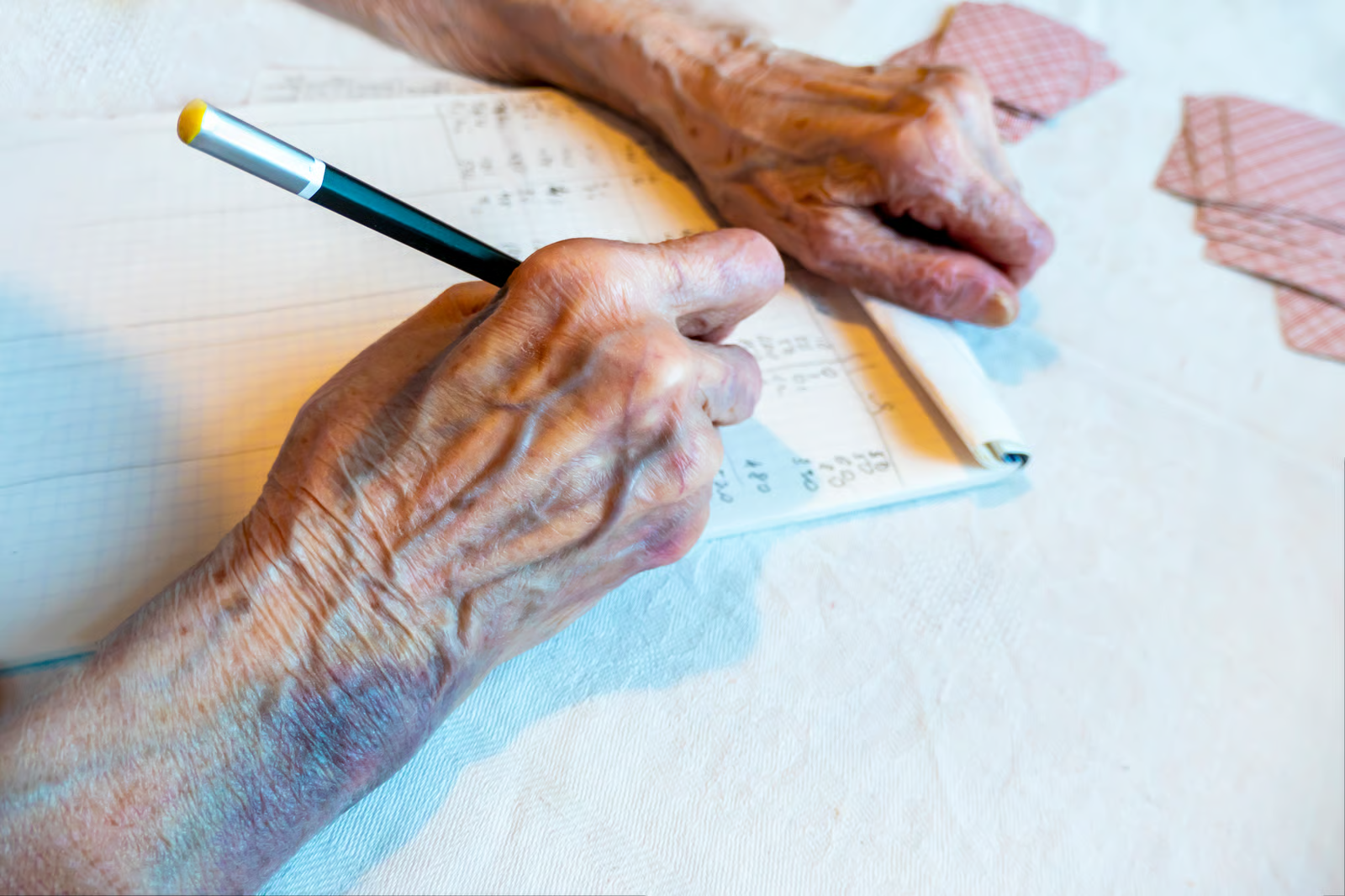
A grandmother in her late 80s rewrites her trust six weeks before she dies. The new document leaves nearly everything to the live-in caregiver she met two years earlier. Her children, who saw her regularly, are reduced to token gifts.
Is that valid Nevada estate planning, or is it undue influence?
That question is one of the most common in Nevada probate litigation. It is also one of the most fact-specific. Undue influence cases rarely turn on a single document or a single witness. They turn on patterns. Who had access to the testator. Who controlled their information. Whether the result fits their lifelong intentions. Whether the document was prepared in normal circumstances or rushed through during a vulnerable moment.
This guide explains how Nevada courts define undue influence, the factors judges actually weigh, the evidence both sides use, and how a Nevada estate attorney evaluates a potential claim.
How Nevada Law Defines Undue Influence
Undue influence is influence so strong that it overcomes the free will of the person making a will, trust, or amendment. The document ends up reflecting the influencer's intent rather than the testator's. It is more than persuasion. A child asking a parent to be included in the trust is not undue influence. A child isolating a parent from other family members, controlling their medications, and presenting them with a new trust to sign while a notary waits is.
Nevada courts have recognized undue influence as a basis to set aside a will or trust for over a century. The doctrine applies to wills under NRS Chapter 137 and to trusts under NRS Chapter 163. It is rooted in equity, which means judges have substantial discretion to look at the totality of the circumstances.
The Factors Nevada Courts Actually Weigh
Undue influence is not proven with a single piece of evidence. Nevada judges look at a constellation of factors, drawing on both Nevada case law and the patterns recognized across most U.S. jurisdictions.
1. Susceptibility of the Testator
Was the testator vulnerable? Age, physical illness, cognitive impairment, medication, depression, grief, isolation, and dependence on others all increase susceptibility. A 92-year-old with mid-stage dementia who depends on a single caregiver is highly susceptible. A healthy, independent 68-year-old is not.
2. Opportunity to Influence
Did the alleged influencer have access and control? Living in the home, providing daily care, controlling the calendar and phone, screening visitors, and managing medications all establish opportunity.
3. Disposition to Influence
Did the influencer show a pattern of trying to control or benefit from the testator's decisions? Past financial transfers, name changes on accounts, signature authority, and statements to others ("I'm going to make sure I'm taken care of") all bear on disposition.
4. The Result. Is It Unnatural?
Does the will or trust depart sharply from the testator's lifelong relationships and stated intentions? Disinheriting children who maintained close contact, in favor of a recent acquaintance, is the classic unnatural result. Nevada courts will not invalidate a document simply because it is unusual. A result inconsistent with everything else known about the testator is powerful evidence.
5. Active Procurement
Did the alleged influencer participate in making the document? Choosing the attorney, driving the testator to the appointment, sitting in on the meeting, providing the instructions, paying the legal fees, or being the one to deliver the signed document all suggest procurement.
When several of these factors line up, a Nevada court can find undue influence even without a smoking gun.

Confidential Relationships and the Burden of Proof
Normally, the person challenging a will or trust carries the burden to prove undue influence by a preponderance of the evidence. Nevada law recognizes a shift in that burden when two things are true. First, a confidential relationship exists between the testator and the alleged influencer. Second, the influencer was actively involved in procuring the document.
Confidential relationships in Nevada estate cases often include:
- A live-in caregiver
- An adult child who has taken over a parent's finances
- A new spouse who married the testator late in life
- A professional advisor (attorney, accountant, financial advisor) who became unusually close
- A clergy member, friend, or neighbor in a position of trust
When a confidential relationship exists, the influencer actively procured the document, and the result is suspicious, Nevada courts can place the burden on the influencer to show the document was fair, freely made, and fully understood. That shift dramatically improves a contestant's odds.
A Nevada undue influence attorney will evaluate at intake whether a confidential relationship exists. It changes the entire strategy of the case.
The Evidence That Wins (and Loses) Undue Influence Cases
Undue influence cases are built from records, not theory. The evidence most commonly used:
Medical Records
Progress notes, neurological evaluations, prescription histories, and hospital discharge summaries establish the testator's capacity and susceptibility around the time the document was signed.
Drafting Attorney Testimony
The attorney who drafted the will or trust is usually a central witness. Did they meet with the testator alone? Did the testator give the instructions, or did someone else? Was the document executed in a normal office setting or in a rushed home visit?
Financial Records
Bank statements, transfer histories, signature card changes, and account access logs show whether the influencer was already moving assets before the document was signed.
Communications
Text messages, emails, voicemails, and social media posts often capture the influencer's mindset or the testator's confusion in their own words.
Witness Testimony
Family members, friends, neighbors, hairdressers, caregivers, and clergy frequently testify about the testator's relationships, statements, and mental state.
Prior Estate Plans
A pattern of consistent prior wills or trusts, followed by a sudden, dramatic change, is one of the strongest fact patterns Nevada courts see.
Expert Witnesses
Geriatric psychiatrists, neurologists, and sometimes forensic document examiners are retained to address capacity, susceptibility, and authentication.

Common Real-World Patterns Nevada Courts See
Undue influence cases tend to follow recognizable storylines. The most common in Nevada probate practice:
- The new caregiver. A paid or unpaid caregiver moves in, isolates the testator, and ends up named as primary beneficiary on a last-minute amendment.
- The estranged child who returns. A child who had little contact for years suddenly reappears, moves in or takes over finances, and emerges as the sole or majority beneficiary.
- The late-life marriage. A new spouse, sometimes met months before the wedding, is named to receive assets the testator's children expected to inherit.
- The advisor turned beneficiary. An attorney, accountant, or financial advisor moves from a professional relationship to a personal one and ends up in the trust.
- The deathbed amendment. A new will or trust amendment signed in hospice or shortly before death, often without independent legal counsel.
None of these patterns are automatically invalid. Each can be perfectly legitimate. Each also warrants close investigation by a Las Vegas estate dispute attorney.
How an Undue Influence Case Moves Through Nevada Court
Step 1. Investigation
Before filing, your attorney gathers medical records, the prior and current estate documents, financial records, witness statements, and any communications. This stage often decides whether the case is viable.
Step 2. Petition
For a will, an opposition or contest petition is filed under NRS 137.080, typically within 3 months of admission to probate. For a trust, the contest petition is governed by NRS 164.021 and related notice rules. Deadlines can be as short as 120 days after notice.
Step 3. Discovery
Both sides exchange records and conduct depositions. The drafting attorney, the alleged influencer, family members, and caregivers are common deposition witnesses. Medical and forensic experts are typically retained.
Step 4. Mediation
Nevada district courts strongly encourage mediation. Many undue influence cases settle with a renegotiated distribution rather than a court ruling on validity.
Step 5. Bench Trial
If no settlement is reached, the case is tried to a judge in the Eighth Judicial District Court's Probate Division or the appropriate Nevada district court. The judge issues findings of fact and conclusions of law.
Step 6. Appeal
Either side can appeal to the Nevada Court of Appeals or Nevada Supreme Court. Our appellate litigation team handles undue influence appeals statewide.
Defending Against an Undue Influence Claim
Not every late-life estate change is the product of undue influence. A solid defense often involves:
- Showing the testator met privately with independent counsel.
- Producing contemporaneous medical evaluations of capacity.
- Demonstrating consistent statements to friends, clergy, or financial advisors that the new plan reflected the testator's intent.
- Documenting that the alleged influencer had limited involvement in the drafting and execution.
- Showing the result, while different from prior plans, is consistent with a documented change in relationships (estrangement, caregiving, second marriage with a long history).
Undue influence defenses are built on the same evidence as the claim. Done well, they often resolve disputes before trial.
How Hutchison & Steffen Handles Undue Influence Cases in Nevada
Our Trust & Probate Litigation team has tried, settled, and appealed undue influence cases for both contestants and proponents across Nevada. Our approach:
- Build the timeline first. Undue influence cases are won and lost on a clear, documented timeline of the testator's relationships, capacity, and decisions.
- Use the burden shift when available. When confidential relationships and active procurement exist, we structure the case to put the burden where it belongs.
- Resolve when it makes sense. Try when it doesn't. A negotiated settlement often produces more for the contestant, and less risk for the proponent, than a full trial. When trial is the right move, we are ready.
Learn more about our Trust & Probate Litigation practice or meet our attorneys.
Talk to a Nevada Undue Influence Attorney
If you suspect a Nevada trust or will was the product of undue influence, or if you are defending a document that reflects your loved one's genuine wishes, the right move is an early case assessment from a lawyer who has tried these cases before.
Contact Hutchison & Steffen to schedule a confidential consultation. Our team serves clients across Las Vegas, Henderson, Reno, and statewide.